
By Michael Homans
May 2026
Philadelphia has approved an ordinance that will prohibit discrimination on the basis of menstruation, perimenopause, and menopause, effective January 1, 2027.
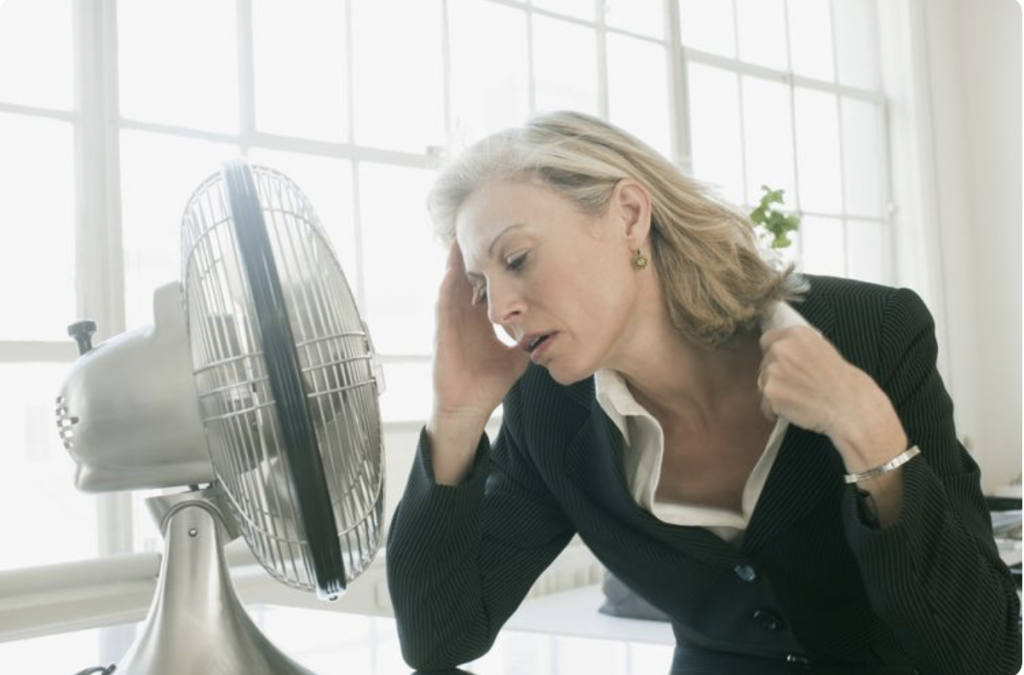
The new law also requires Philadelphia employers to provide reasonable accommodations for workers experiencing these conditions. Employers must provide accommodations if symptoms “substantially interfere” with an employee’s ability to perform job functions, unless doing so causes undue hardship. Accommodations may include additional restroom breaks, temperature control for hot flashes, or modified schedules.
The ordinance is part of a wave of menstruation and menopause legal protections spreading across the country. For example, last year the Philadelphia District Office of the U.S. Equal Employment Opportunity Commission (EEOC) obtained a $48,000 settlement from an employer in the District of Columbia, Equinox Holdings, Inc., for refusing to hire a qualified candidate after she requested that her second-round interview for a front desk associate position at a fitness club be delayed a few days due to her severe menstrual cramps. An Equinox manager responded by email and text saying she would not be hired, even though her qualifications were “excellent,” because of “concern in the future if your absence may occur due to your monthly cycle,” according to the lawsuit.
The EEOC asserts that such conduct violates the Americans with Disabilities Act (ADA) and Title VII of the Civil Rights Act of 1964, which prohibit discrimination on the bases of disability and sex, respectively.
The U.S. Department of Labor also has taken the position that the 2023 Pregnant Workers Fairness Act prohibits discrimination based on menstruation and related conditions. The Family and Medical Leave Act provides additional protections when conditions from menses to menopause prevent employees from working three days or more (whether continuous or intermittent).
Some advocates have even taken the position that adverse actions against an employee based on menopause or perimenopause (which tend to impact women in their 40s and 50s) constitute age discrimination in violation of federal and state law.
The bottom line, employers need to handle these concerns carefully and sensitively and consider training as to the expanded new laws.
Michael Homans is an employment lawyer and litigator based in Philadelphia and Wayne, PA. He can be reached at mhomans@homanspeck.com or 215-419-7477.